The Architecture of All Dreams
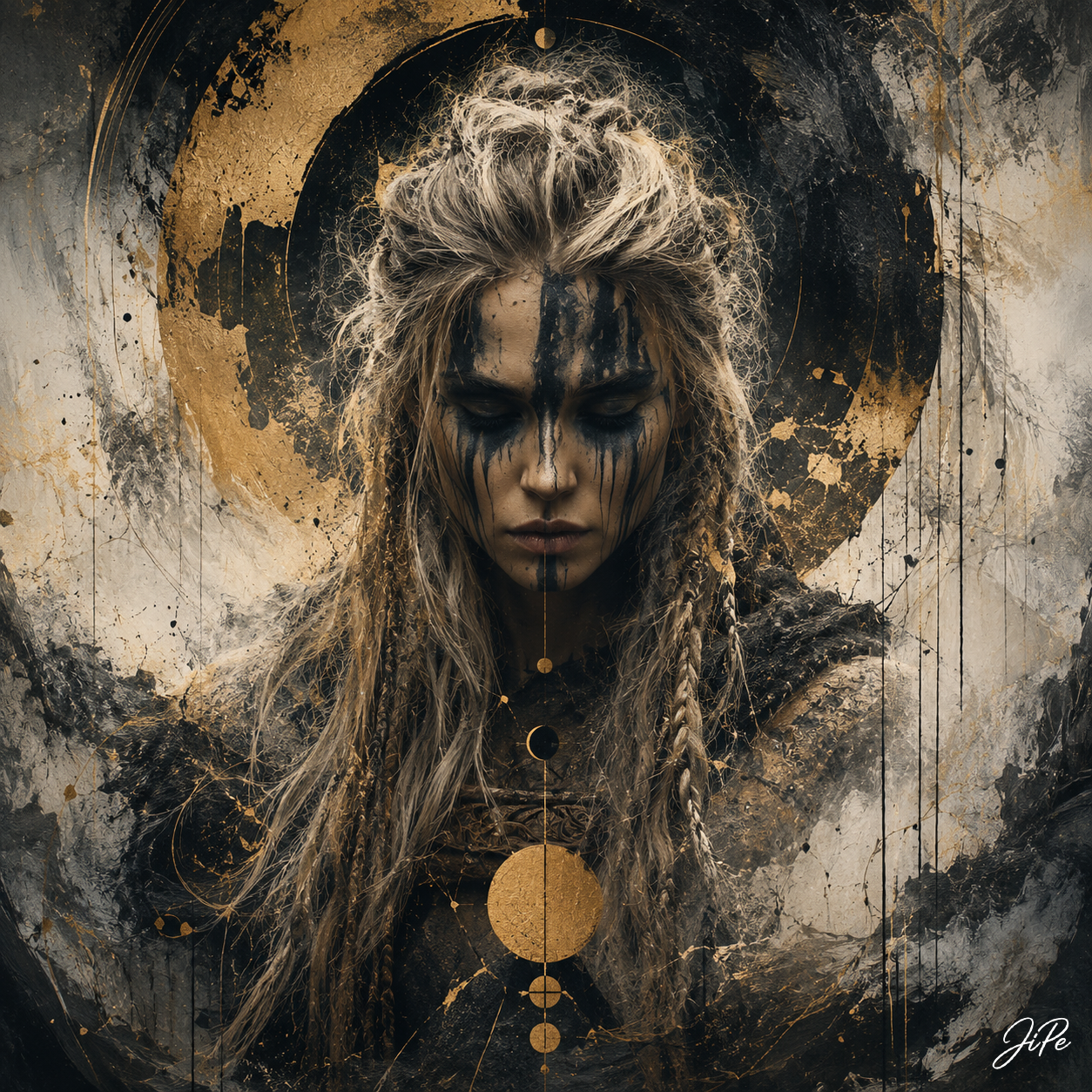
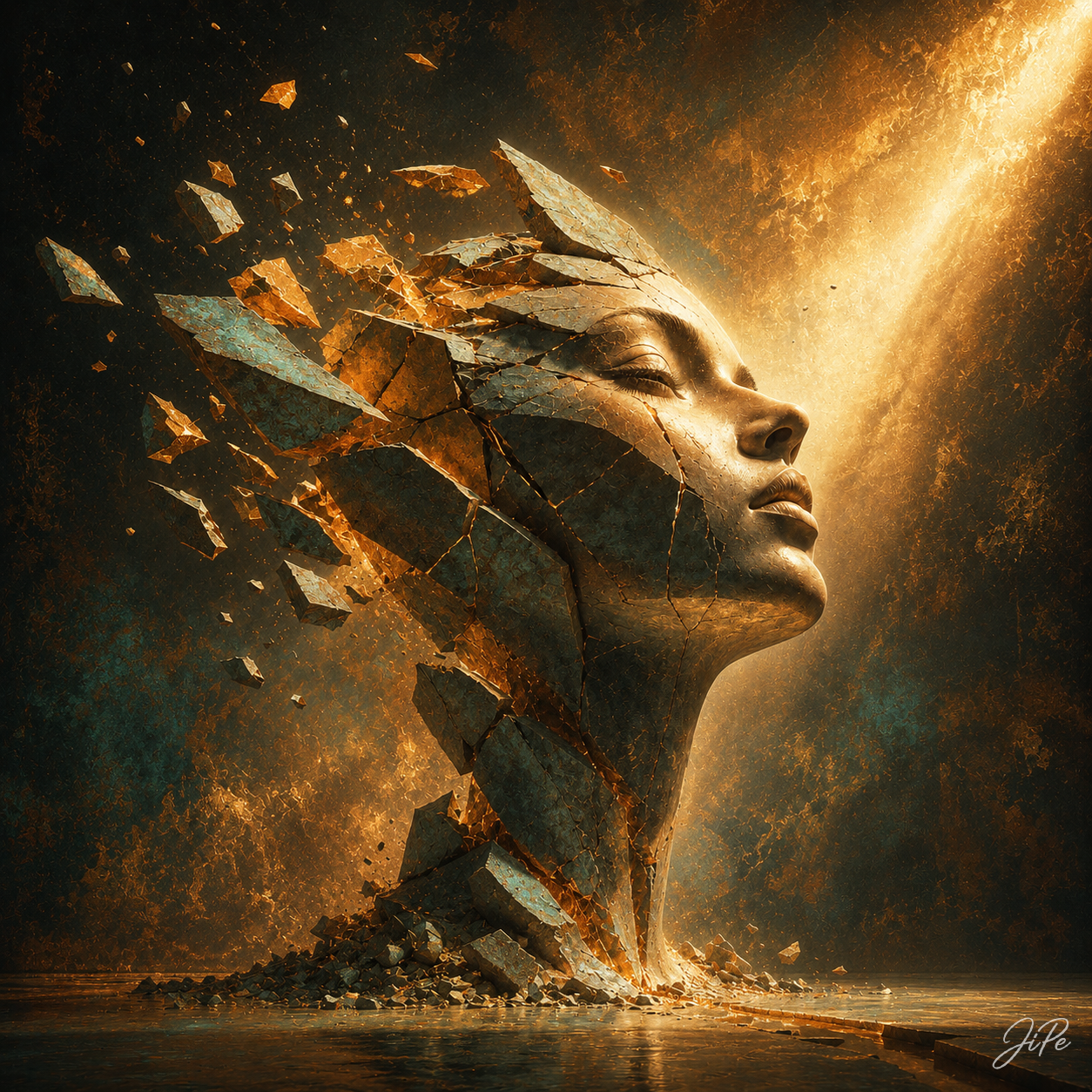
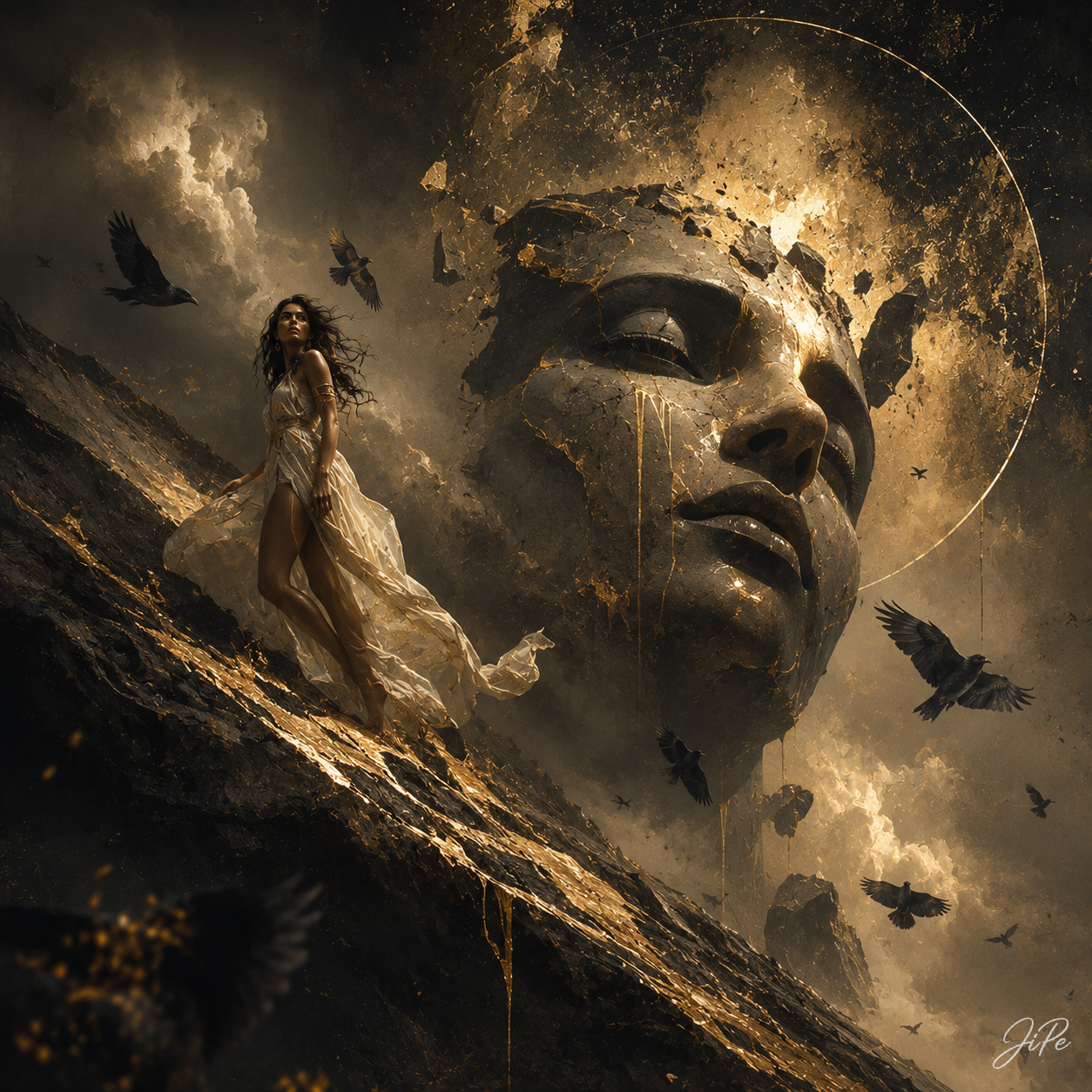
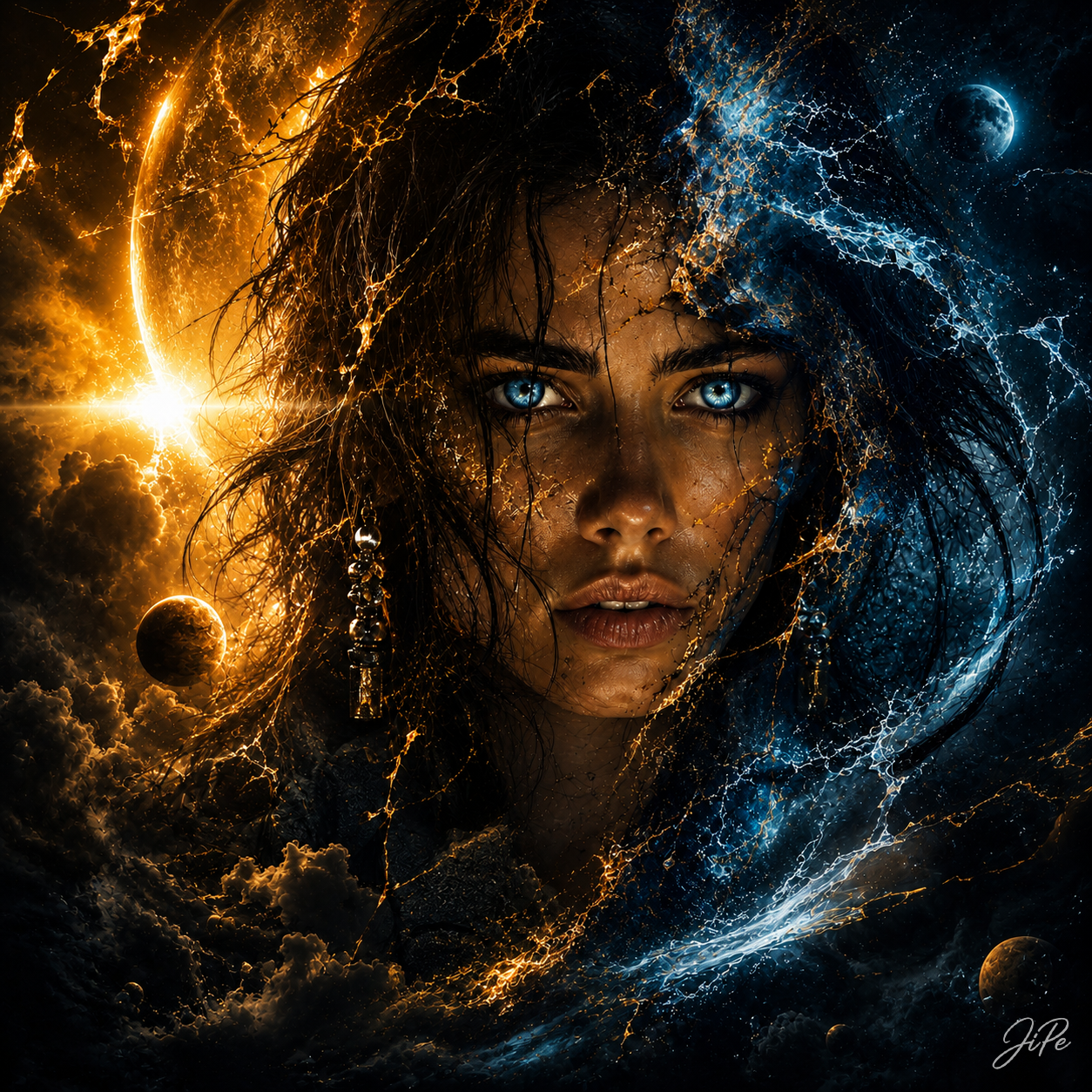
The Architecture of All Dreams unfolds as a space where inner life acquires impossible dimensions. A monumental presence and a solitary…
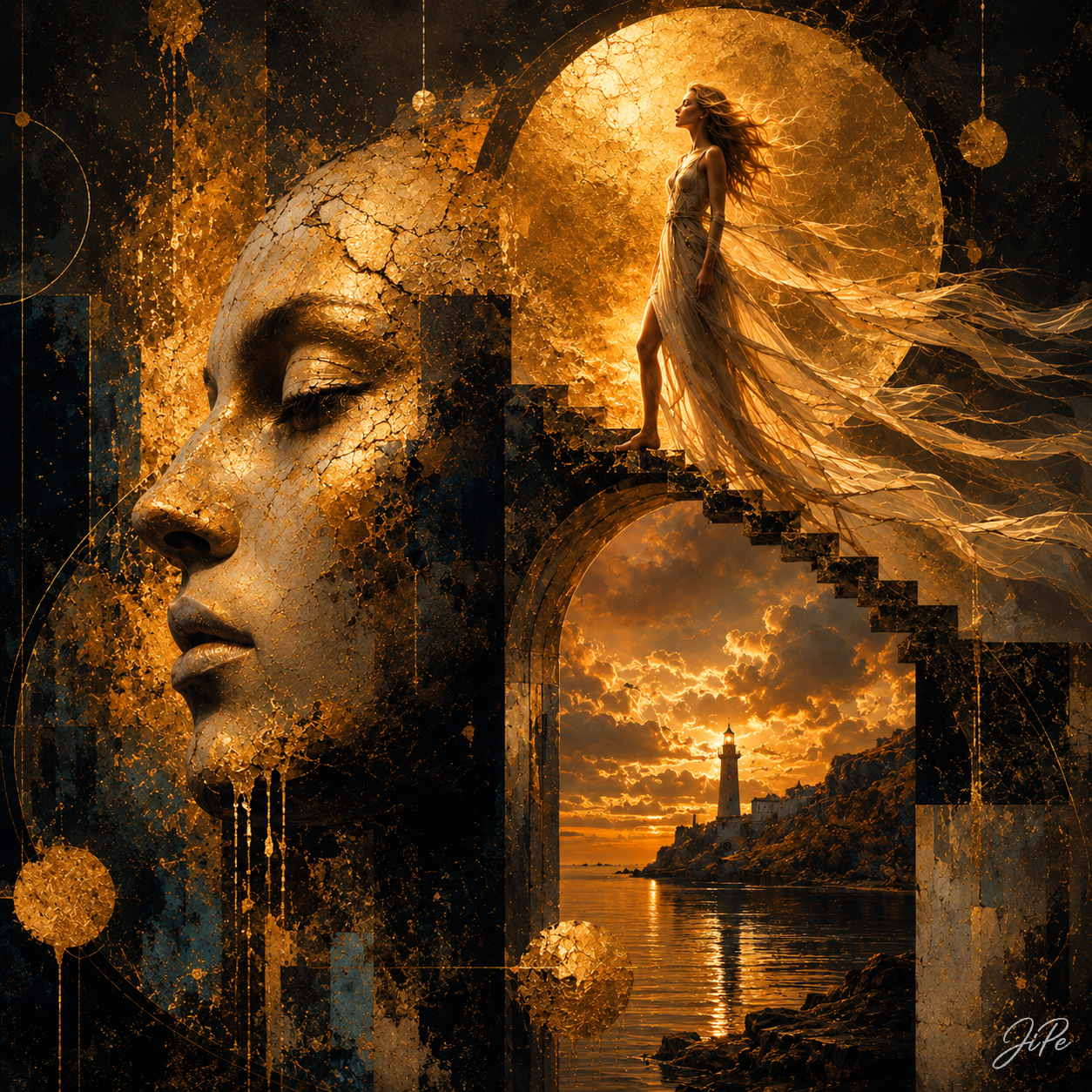

Contemporary Figurative Art places the human figure at the center of modern artistic expression. It explores identity, emotion, memory, symbolism, and the human experience.
Unlike traditional portraiture, figurative art does not need to reproduce reality exactly. Instead, the figure can become a starting point for deeper visual storytelling.
Faces, gestures, posture, and movement can reveal emotions without words. As a result, the human presence becomes both subject and symbol.
The human body has inspired artists for thousands of years. Today, Contemporary Figurative Art continues this tradition through new perspectives and visual languages.
Realistic details may exist beside expressive textures or surreal environments. Meanwhile, symbolic elements can transform a portrait into something more mysterious.
A figure may represent a specific person. However, it can also express universal themes such as strength, solitude, transformation, hope, or vulnerability.
This openness gives figurative art its emotional power.
Faces create an immediate connection between artwork and viewer. Even a subtle expression can suggest an untold story.
Eyes may communicate confidence, sorrow, mystery, or contemplation. Similarly, body language can reveal tension, movement, stillness, or inner strength.
Contemporary portraiture often explores more than physical appearance. It can examine identity, memory, time, and our relationship with the world.
Therefore, the portrait becomes a psychological space rather than a simple likeness.
Symbolism adds another dimension to contemporary figurative artwork. Objects, animals, landscapes, and architectural forms can expand the meaning of a figure.
A circle may suggest eternity or unity. Light can represent awakening, while darkness may evoke uncertainty or introspection.
Likewise, natural elements can create connections between the human figure and a larger world. Mountains, water, trees, and skies can carry symbolic meaning.
These relationships allow each composition to communicate on several levels.
Contemporary Figurative Art often moves freely between realism and imagination. A recognizable figure can inhabit a dreamlike or impossible environment.
This contrast creates visual tension. Moreover, it allows reality and symbolism to exist within the same artwork.
Surreal elements can transform familiar subjects into something unexpected. Painterly textures may also soften the boundary between figure and environment.
As a result, the image feels recognizable yet mysterious.
Light shapes both form and emotion. Dramatic illumination can give a figure strength, depth, and sculptural presence.
Deep shadows create mystery. In contrast, luminous highlights can suggest hope, energy, revelation, or spiritual presence.
Texture adds another expressive layer. Weathered surfaces, visible brushwork, fractured details, and layered forms can create a sense of history.
Atmosphere completes the experience. Mist, darkness, glowing horizons, and open spaces can turn a portrait into a larger visual narrative.
Scale can transform the human figure into a powerful visual presence. Monumental portraits often create an immediate sense of strength and intensity.
Elsewhere, a small figure may stand within an immense landscape. This relationship can suggest solitude, vulnerability, discovery, or the search for meaning.
Composition is therefore essential. Perspective, negative space, contrast, and visual hierarchy guide the viewer through each scene.
The figure remains central, even when the surrounding world becomes vast.
This collection of Contemporary Figurative Art explores humanity through realism, symbolism, imagination, atmosphere, and visual storytelling.
Some artworks focus on quiet moments of reflection. Others portray strength, transformation, mystery, or encounters with unknown worlds.
Yet the human presence connects them all.
Rather than offering one fixed interpretation, each artwork creates space for personal discovery. Viewers can find their own meanings within expressions, symbols, textures, and environments.
Ultimately, Contemporary Figurative Art transforms the human form into a language. It connects physical presence with emotion, memory, imagination, and timeless human experience.
Explore this collection of Contemporary Figurative Art and discover powerful figures shaped by symbolism, atmosphere, realism, and contemporary visual storytelling.