Where Silence Becomes Light II
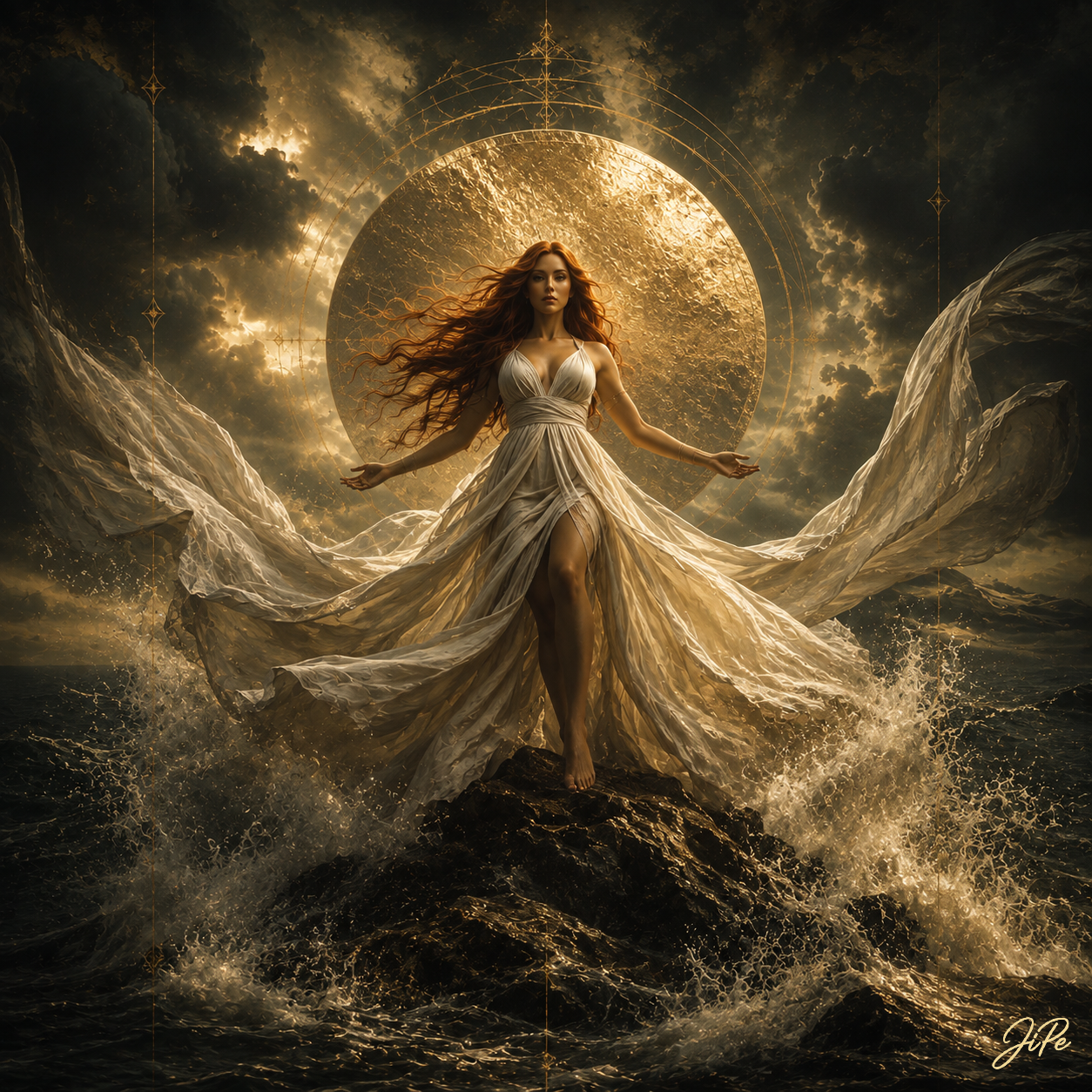
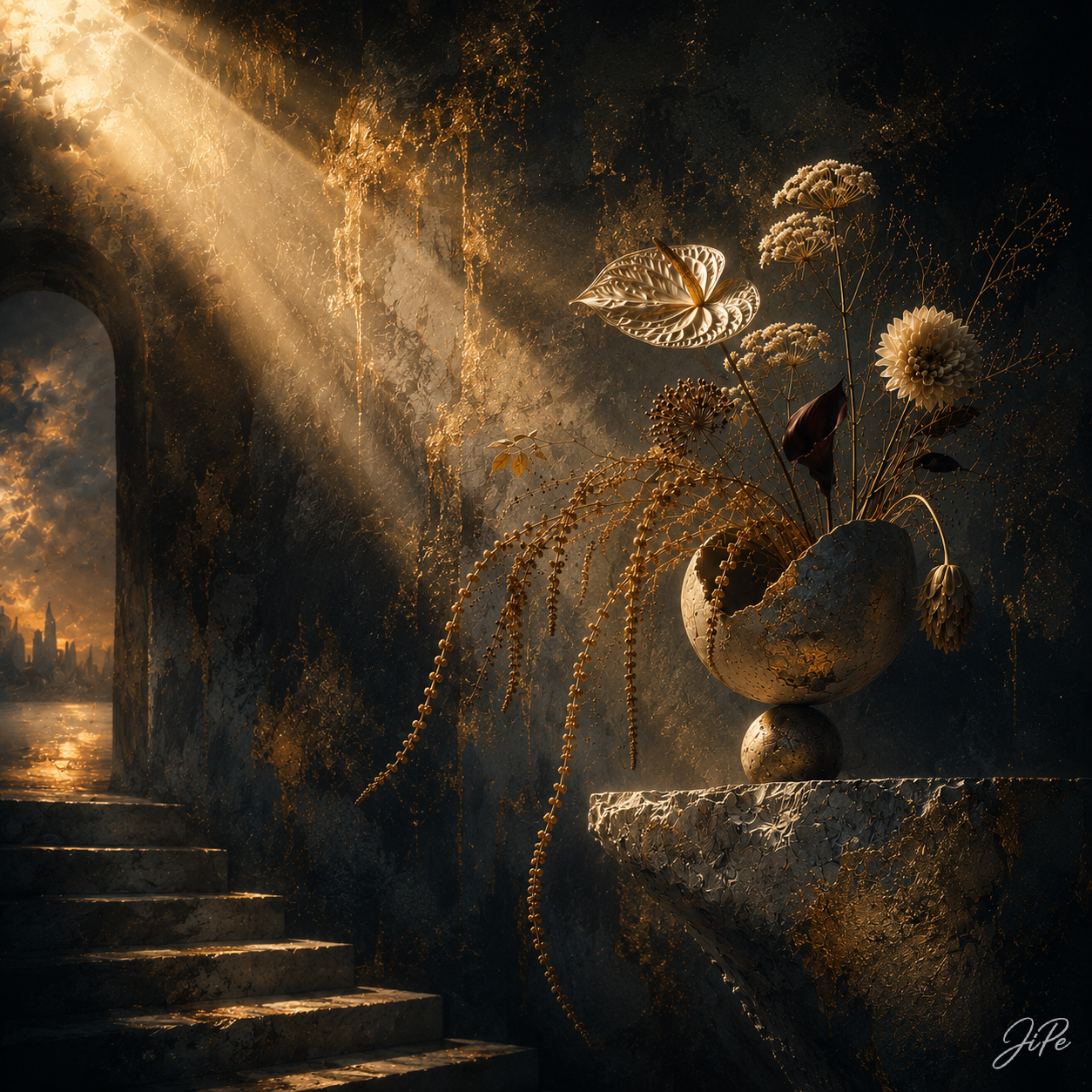
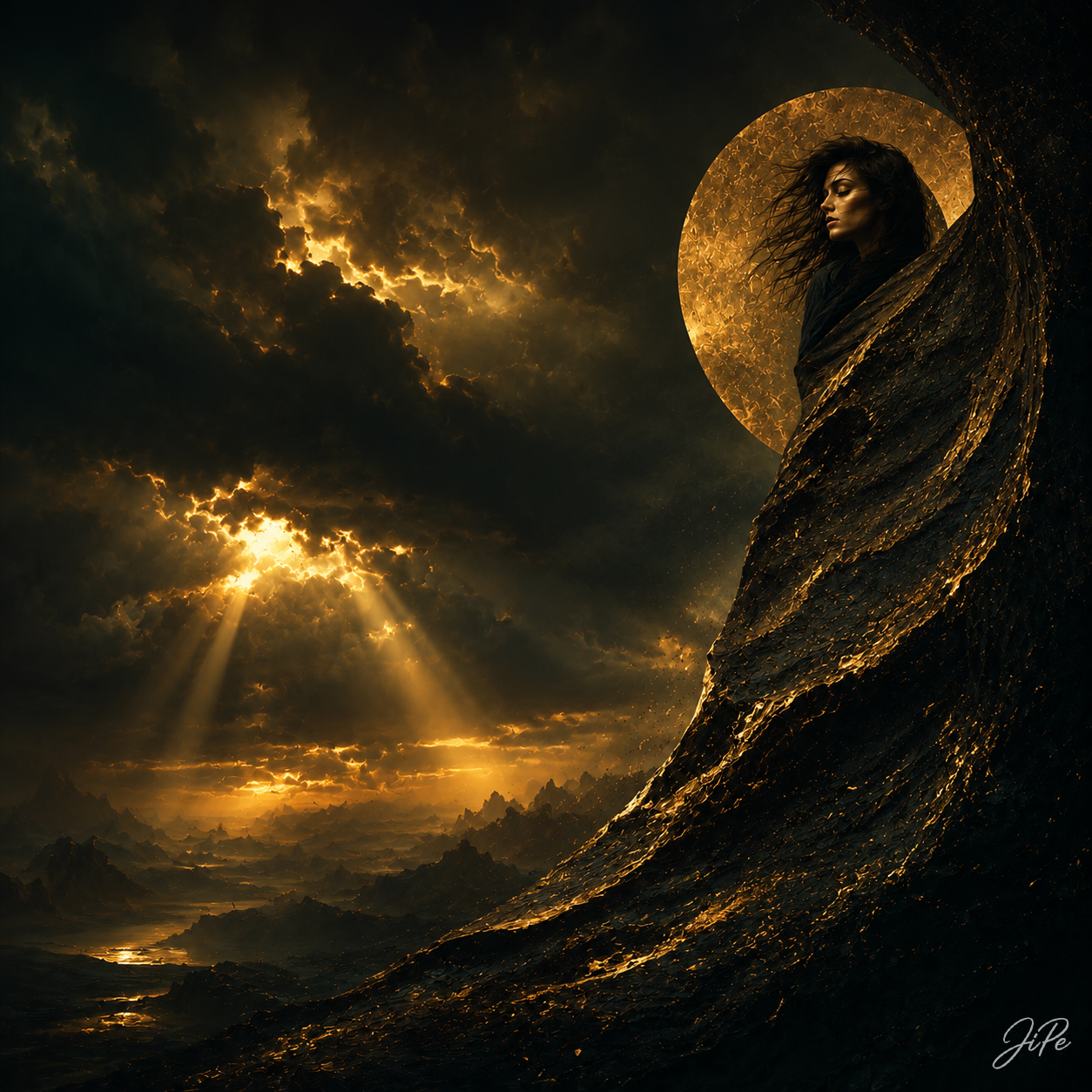
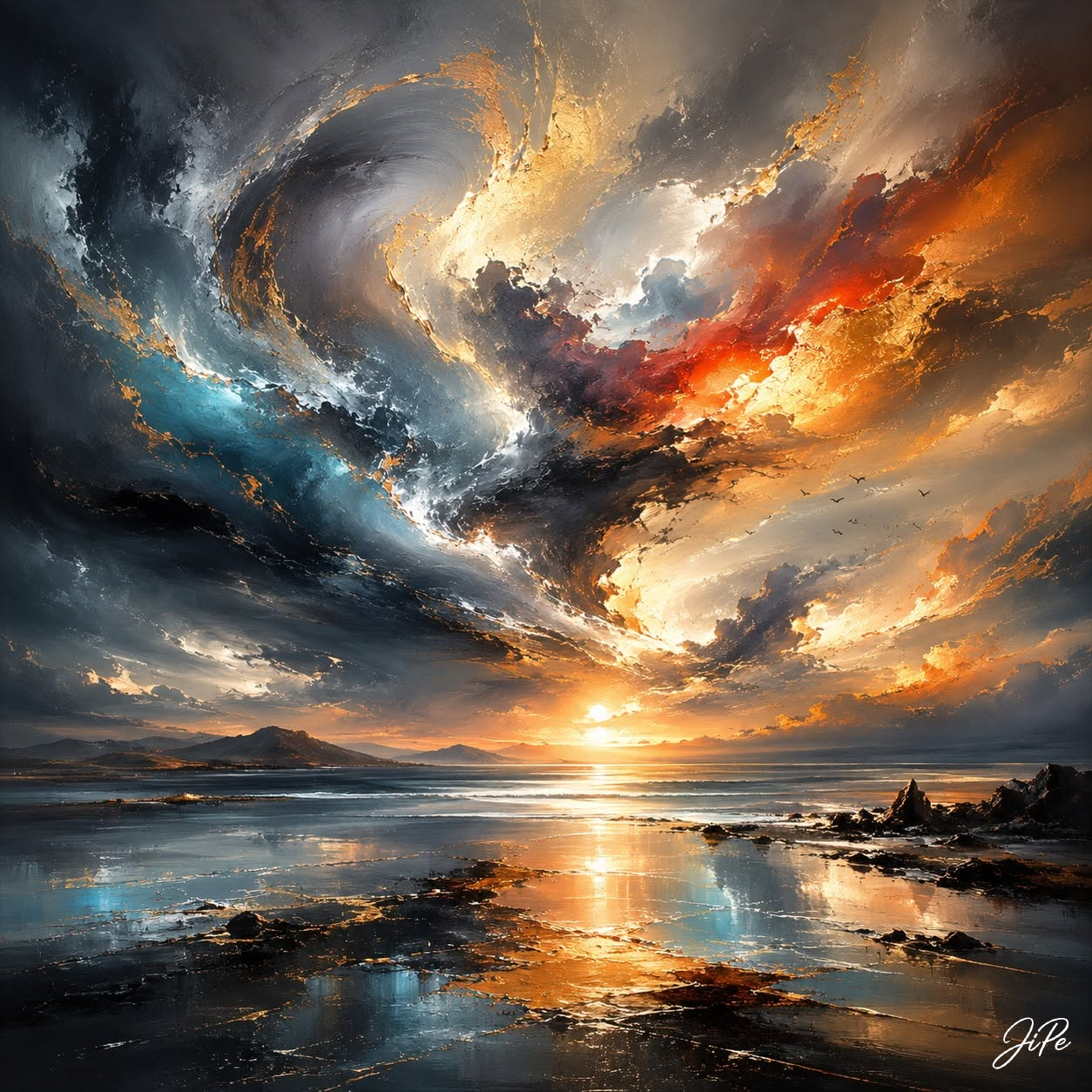
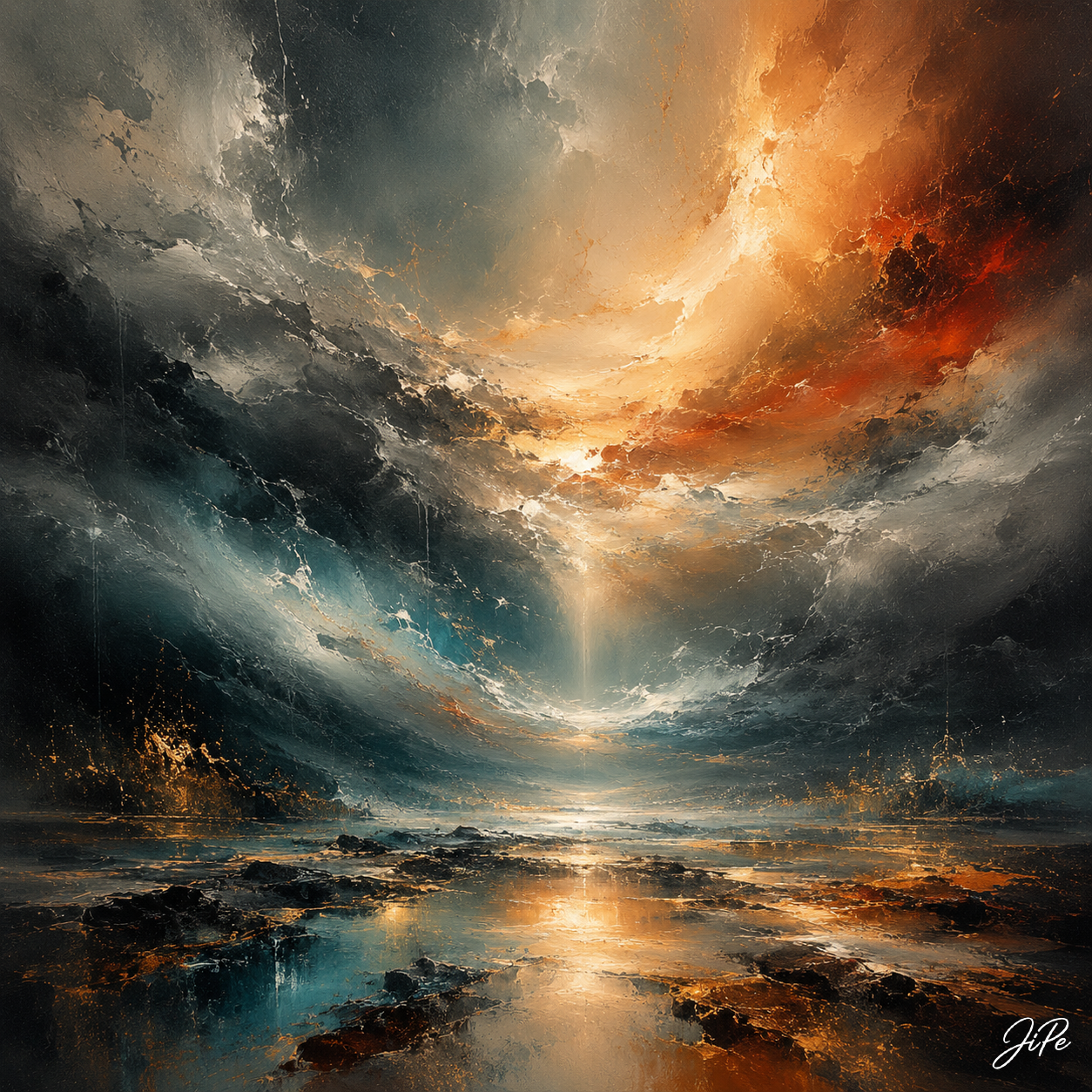
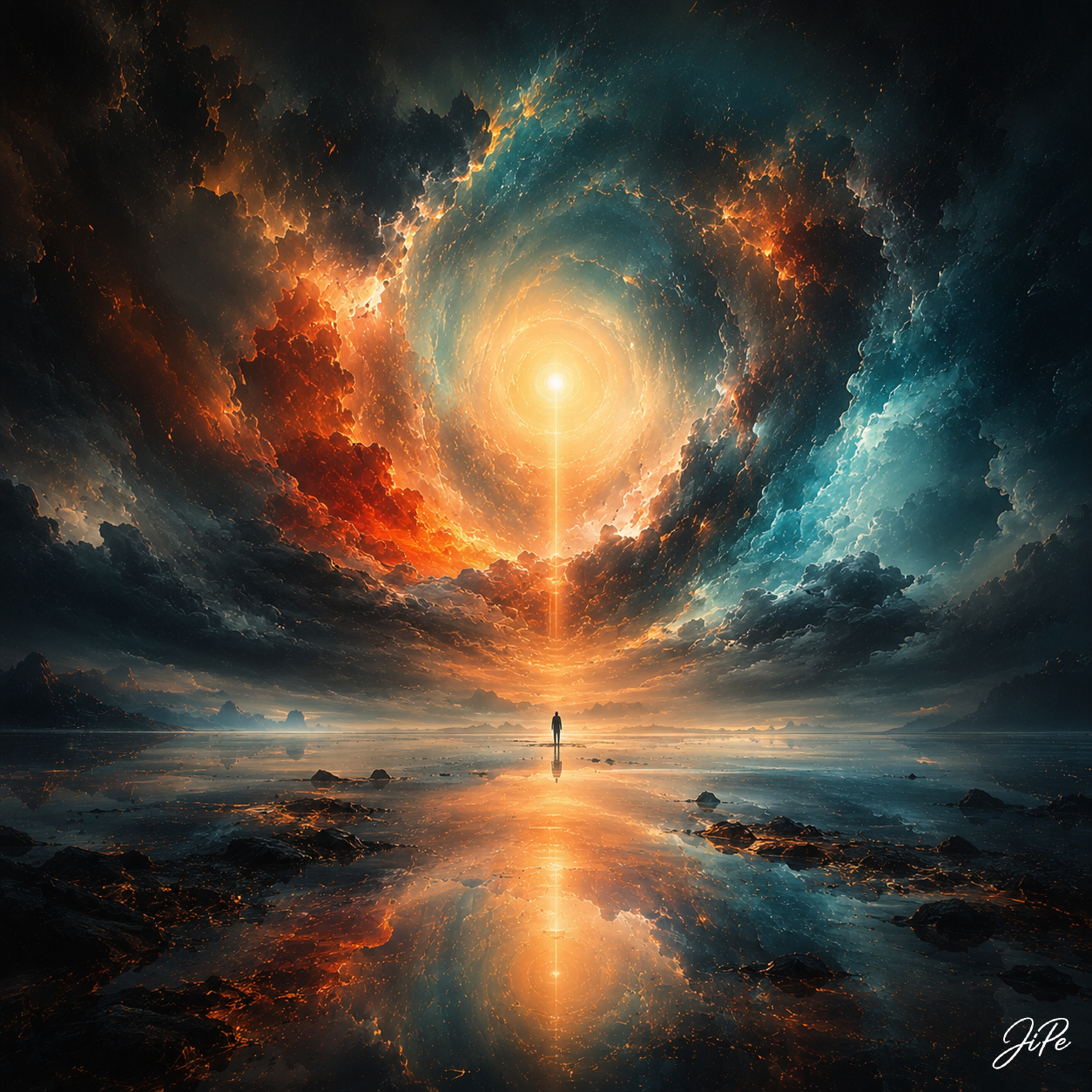
Where Silence Becomes Light II unfolds within a stillness so complete that scale itself begins to feel uncertain. A solitary human…
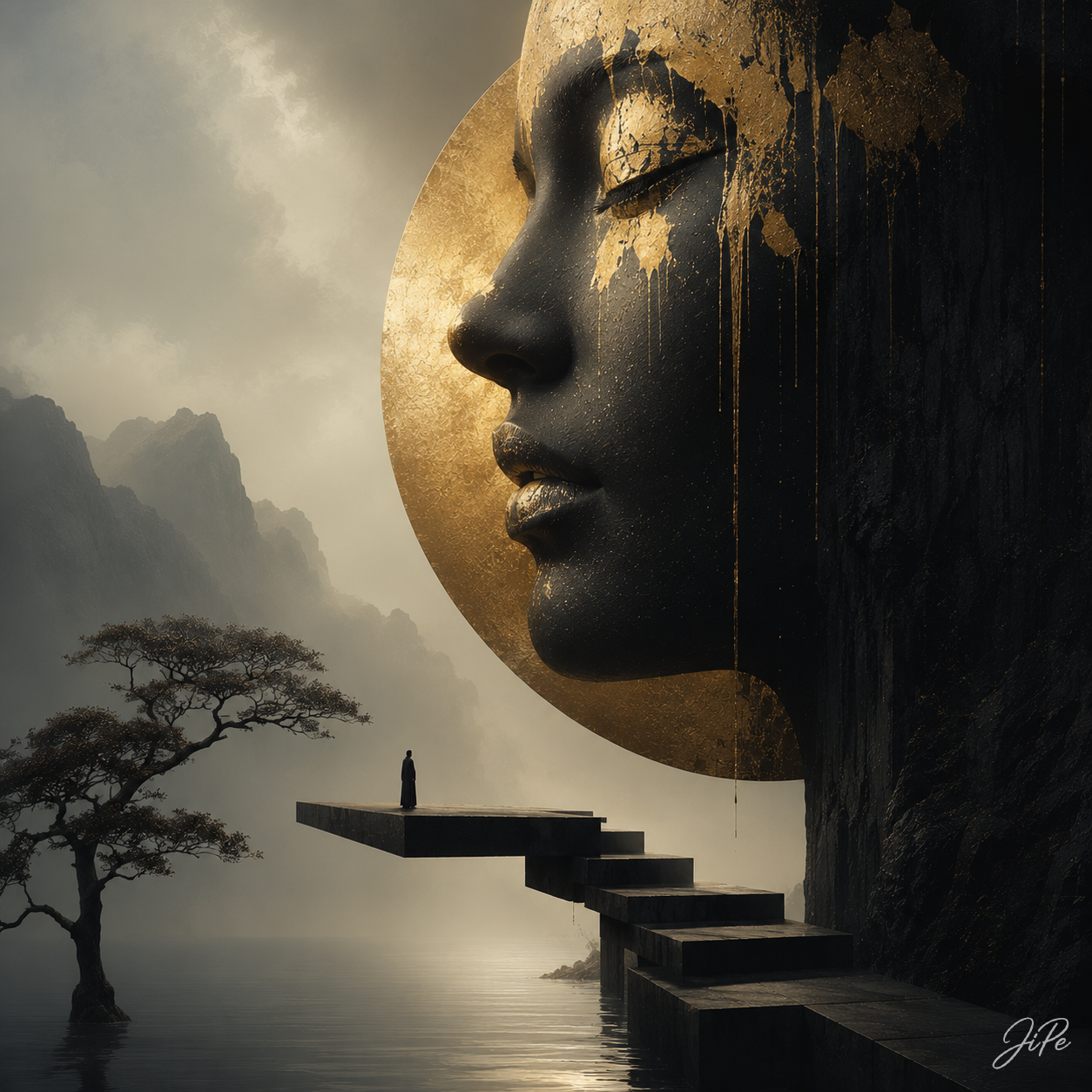

Atmospheric Art uses light, color, depth, and mood to create a powerful emotional experience. The atmosphere becomes as important as the subject itself.
Mist can soften a distant landscape. Dramatic skies can create tension, while glowing light may suggest hope, mystery, or transformation.
As a result, the viewer does not simply observe the scene. Instead, the viewer is invited to feel its presence.
Atmosphere can completely change how an artwork is experienced. A familiar landscape may become mysterious through shadow, fog, or unusual light.
Likewise, a solitary figure can feel monumental when surrounded by vast space. The environment creates an emotional context for the subject.
Contemporary Atmospheric Art often combines realism with imaginative elements. However, accurate representation is not always the main purpose.
Mood becomes the central language.
Light is one of the most important elements in Atmospheric Art. It can guide the eye and define the emotional focus.
Golden illumination may create warmth, hope, or spiritual presence. In contrast, deep shadows can suggest solitude, uncertainty, or the unknown.
Soft light produces another effect. It can create silence, stillness, and a sense of contemplation.
Meanwhile, dramatic illumination can transform ordinary forms into something extraordinary.
This relationship between light and darkness creates emotional depth.
Landscapes provide a natural setting for atmospheric artwork. Mountains, oceans, forests, cliffs, and open skies offer endless possibilities for mood.
Weather can transform these environments. Storm clouds create drama, while mist introduces mystery and distance.
Distant horizons can suggest freedom or discovery. Similarly, glowing skies may evoke transition, awakening, or the beginning of a journey.
Nature therefore becomes more than scenery. It becomes an active part of the artwork.
Atmospheric perspective creates a convincing sense of distance. Forms become softer as they move toward the horizon.
Foreground elements often appear stronger and more detailed. Meanwhile, distant structures may dissolve into haze, light, or shadow.
This gradual change creates visual depth. Moreover, it can make the artwork feel expansive and immersive.
Scale strengthens the effect. Small figures within vast environments emphasize the power of the surrounding world.
Atmosphere can also carry symbolic meaning. Darkness and light often represent more than changing weather or time.
A glowing horizon may suggest hope or revelation. A storm can symbolize conflict, while mist may represent uncertainty or memory.
Likewise, pathways and gateways can suggest transition. Mountains may evoke struggle, endurance, or spiritual ascent.
These elements help create stories without words.
Therefore, Atmospheric Art often connects naturally with symbolism and visual storytelling.
Many atmospheric artworks exist between the real and imagined. Recognizable landscapes can slowly transform into dreamlike worlds.
Unexpected light may create a surreal mood. Elsewhere, monumental structures or celestial forms can appear within realistic environments.
Yet the scene remains visually believable.
This balance allows imagination to enter without destroying the connection to reality. Consequently, viewers can experience both familiarity and mystery.
This collection of Atmospheric Art explores light, nature, mystery, solitude, transformation, and the emotional power of place.
Some works capture moments of complete stillness. Others use storms, dramatic skies, or luminous horizons to create visual intensity.
Throughout the collection, atmosphere shapes the experience. Light, shadow, texture, depth, and scale work together to build each visual world.
Ultimately, Atmospheric Art transforms mood into a visual language. It creates spaces that can feel peaceful, mysterious, dramatic, or transcendent.
Explore this collection of Atmospheric Art and discover contemporary artworks shaped by light, emotion, depth, symbolism, and immersive visual storytelling.